
Excellent website design is crucial to brand growth. Attractive design can boost your website traffic. At present, 90% of website success depends on perfect design and development.
When create a problem? First, a user visits your site, but they stay for 10 to 15 Why happened it? Because the major problem is your design. So, focus on your website design and development. Today, we will discuss professional website design mistakes.
Common Small Business Website Design Mistakes
When you are building a website, follow this step for growing your business.
- Slow loading frustrates visitors and leads to higher bounce rates.
- Non-responsive Website: Fails to adapt to mobile devices, losing mobile users.
- Bad Navigation: Confuses users, making it difficult to find information.
- Outdated Design/Content: gives a poor impression and reduces user trust.
- Poor Content: Lacks clarity and fails to engage visitors.
- Wrong SEO practices: lead to poor search engine rankings, reducing visibility.
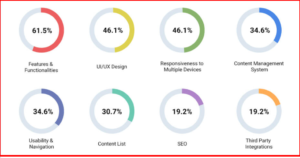
Source: goodfirms
How Build a Small Business Website for Success?
Creating a small business website poised for success requires a combination of strategic planning, user-focused design, and ongoing optimization. Here’s a guide to help you build a high-performing site that effectively supports your business goals:
1. Define Your Website’s Purpose
Start by identifying the primary objectives of your website. Is it to generate leads, showcase your products, offer services, or provide information? Knowing the purpose of your website will help you design the layout and content accordingly.
2. Choose the Right Platform
Select a user-friendly platform for your website, such as WordPress, Shopify, or Wix. Each platform has its strengths, so choose one that aligns with your business model. For example, Shopify is ideal for e-commerce, while WordPress offers more flexibility for content-rich sites.
3. Focus on Clean, Simple Design
A clean, professional design ensures that visitors stay focused on what your business offers. Avoid clutter and excessive design elements that can distract from your key message. Use easy-to-read fonts, a consistent color palette, and high-quality images to enhance the overall look.
4. Optimize for Mobile Devices
With a majority of internet users accessing websites via mobile devices, your website must be mobile-friendly. Use responsive design to ensure that your site looks and works well on screens of all sizes.
5. Prioritize Fast Loading Speeds
Slow-loading websites lead to a poor user experience and high bounce rates. Optimize your images, minimize code, and consider using a content delivery network (CDN) to boost loading times. Aim for a loading speed of under 3 seconds.
6. Create Clear Navigation
Organize your website so users can easily find what they’re looking for. Use simple and intuitive navigation menus, well-defined categories, and clear calls to action (CTAs). This helps improve user experience and increases conversions.
7. Invest in High-Quality Content
Content is the backbone of a successful website. Write clear, compelling copy that addresses your audience’s needs and pain points. Include blog posts, product descriptions, FAQs, and other valuable content to keep users engaged and encourage them to explore your site further.
8. Implement SEO Best Practices
Search engine optimization (SEO) helps your website rank higher on search engines like Google, driving organic traffic. Use relevant keywords, optimize meta tags, create high-quality backlinks, and ensure your site is properly structured with internal links.
9. Incorporate Social Proof
Include testimonials, case studies, and reviews on your website to build trust with potential customers. Social proof is an effective way to show that others have had positive experiences with your business, encouraging new visitors to take action.
10. Set Up Analytics and Tracking
Use tools like Google Analytics to monitor your website’s performance. Track key metrics such as user behavior, bounce rates, conversion rates, and traffic sources. This data will help you continuously improve your website and identify opportunities for growth.
11. Regularly Update and Maintain Your Website
A successful website is never static. Regularly update content, ensure that plugins and software are up to date, and check for broken links. Keeping your site fresh and functioning properly ensures a smooth user experience and improves your SEO ranking.
12. Integrate Strong Calls to Action
Encourage visitors to take specific actions, such as signing up for your newsletter, making a purchase, or booking a consultation. Use clear, action-oriented language in your CTAs to guide users toward conversion.
13. Secure Your Website
Security is crucial for protecting your business and customer data. Ensure your website has an SSL certificate, use strong passwords, and keep your platform updated with the latest security patches.
Hire Web Designers for Boost Site Conversions
If you’re a small business looking to increase sales, consider hiring professional web designers specializing in eCommerce web design services for small businesses. At Digiluxo, we understand the unique needs of small enterprises and create custom websites that enhance the user experience and drive conversions. Our expert designers focus on intuitive navigation, responsive designs, and optimized product pages, ensuring your online store effectively captures and retains customers. With strategic calls to action and SEO-friendly layouts, we help you boost site conversions and maximize your business potential. Let us elevate your eCommerce presence today!