

Keyword clustering is an SEO strategy where related keywords are grouped into clusters to target specific search intents. By creating clusters, you can optimize multiple related keywords in one piece of content, increasing the chances of ranking for a broader range of terms. This helps improve your content’s visibility and ensures that Google understands the overall theme of your page, boosting your rank in search results. Implementing keyword clusters can significantly improve organic traffic while making your content more relevant to a wider audience.
How to Do Keyword Clustering SEO for Google Ranking?
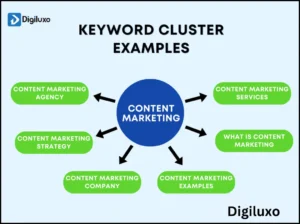
First time, you need to do profitable keyword research. To do keyword clustering SEO effectively, start by identifying a broad keyword. Then, use tools or manual methods to find related keywords with similar search intent. Once identified, group these keywords into clusters based on their relevance. The next step is to create content that addresses all the keywords in each cluster naturally. This approach helps ensure that Google understands your content’s depth, increasing your chances of ranking for multiple keywords at once.
What is the Importance of a Keyword Cluster for a Business?
Keyword clusters are vital for businesses looking to enhance their SEO strategy. By targeting a range of related keywords within a single cluster, businesses can capture various search queries that potential customers may use. This increases their website’s visibility across different stages of the buyer’s journey. Keyword clustering ensures content is more comprehensive and user-friendly, improving the chances of ranking higher on Google. In short, businesses that utilise keyword clustering can attract more qualified traffic, leading to increased conversion rates and revenue.
4 Ways to Do Keyword Clustering
- Manual Grouping: Use tools like Google Keyword Planner to manually sort related keywords into groups.
- Keyword Clustering Tools: Leverage tools like Serpstat or SEMrush to automate the clustering process.
- Competitor Analysis: Analyze your competitors’ ranking pages and the keywords they target to develop clusters.
- Content Creation Around Clusters: Create content that answers multiple related queries, optimizing for all the keywords within the cluster.
What is the Difference Between a Keyword Cluster and a Topic Cluster?
- Keyword Cluster: A group of closely related keywords that share the same search intent.
- Topic Cluster: A broader grouping of related content that links back to a core subject, usually optimized for long-tail keywords.
Which is the Best for Keyword Clustering Tools?
When it comes to keyword clustering tools, several options stand out for their efficiency and ease of use. Some of the best keyword clustering tools include:
- Serpstat
- SEMrush
- Ahrefs
- Clusteric
- Keyword Cupid
- KeyClusters (free tool)
These tools help automate the process of grouping related keywords, saving time and ensuring accuracy.
How to Work Keyword Grouping for Google Rank?
Keyword grouping plays a significant role in improving your Google ranking by allowing you to target multiple search queries in a single piece of content. Start by selecting a main keyword and then group related keywords with similar search intent. When creating content, ensure that you naturally include these keyword groups without keyword stuffing. Google’s algorithm values content that answers various user queries, so properly grouped keywords help you create comprehensive, authoritative content. This strategy also helps avoid keyword cannibalization and ensures your pages rank for multiple terms, increasing your overall visibility.
FAQ:
What is clustering in SEO?
=Keyword clustering is the process of grouping related keywords into clusters that target the same search intent. This method allows you to optimize content for multiple related terms, increasing the chances of ranking higher in search results.
What is clustering in simple words?
=Clustering, in simple words, is the process of grouping similar things together. In SEO, keyword clustering means organizing related keywords into groups based on their meaning or search intent. This helps you create content that covers multiple similar topics, making it more likely to rank well on search engines like Google.
When to use clustering?
You should use clustering when you want to target multiple related keywords in your content and improve your chances of ranking higher on Google. It’s especially useful when:
- You want to cover a broad topic and include various subtopics.
- You need to rank for multiple search terms with similar intent.
- You want to create comprehensive content that answers different user queries.
- You’re optimizing for long-tail keywords to capture more organic traffic.
Clustering helps make your content more relevant and valuable for users, boosting your overall SEO performance.